Elevating Spaces with Japanese Bridge Wall Art SVG Laser Cut Designs
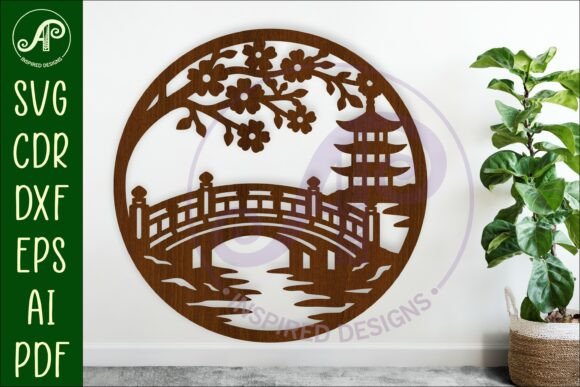
The intersection of traditional aesthetics and modern fabrication technology has created a unique niche for creators and homeowners alike. At the heart of this movement is the Japanese Bridge Wall Art SVG Laser Cut, a design element that captures the serene elegance of classic Asian architecture while leveraging the precision of contemporary digital crafting tools. This specific style of wall art is not merely a decorative trend; it represents a shift in how we personalize our living and working environments. By utilizing digital files compatible with machines like Glowforge, Cricut, and CorelDraw, individuals can now produce high-end, custom signage that was once only accessible through expensive artisan commissions.
The relevance of this design lies in its versatility and the emotional resonance of the imagery. The Japanese bridge, often depicted in minimalist line art or intricate silhouette forms, evokes a sense of tranquility, connection, and balance. In an era where remote work and home-centric lifestyles have become standard, there is a growing demand for interior decor that fosters calm and focus. Whether placed in a cozy cabin retreat, a modern urban apartment, or a professional office, these laser-cut signs serve as focal points that ground the space. The ability to download these designs instantly and fabricate them locally speaks to the evolving expectations of consumers who value speed, customization, and sustainability.
The Evolution of Digital Craftsmanship and File Compatibility
The landscape of DIY crafting and small-batch manufacturing has changed dramatically over the last decade. What began as a hobbyist pursuit has evolved into a viable business model for entrepreneurs and freelancers. Central to this evolution is the availability of high-quality digital assets in universally accepted formats. A robust Japanese Bridge Wall Art SVG Laser Cut package typically includes a comprehensive suite of file types: SVG, AI, PDF, CDR, and DXF. This multi-format approach is crucial because it ensures compatibility across the entire spectrum of cutting machinery and design software.
For users operating vector-based programs like Adobe Illustrator, the AI file provides native editing capabilities, allowing for precise adjustments to anchor points or stroke weights before cutting. Those who rely on CorelDraw will find the CDR file indispensable, as it preserves layers and object properties specific to that ecosystem. Meanwhile, the DXF format remains the industry standard for CAD software and older laser cutters, ensuring that even legacy equipment can reproduce the design with accuracy. The inclusion of PDF files offers a universal fallback for viewing and printing proofs, while the SVG format is optimized for web-based design tools and consumer-grade machines like Cricut and Silhouette.
This diversity in file types reflects a deeper understanding of user workflows. Modern creators often switch between devices and software depending on the project requirements. A freelancer might design a client's logo in Illustrator but cut the final prototype on a desktop laser cutter that prefers DXF inputs. By providing all necessary formats in a single zip folder, designers eliminate friction in the production process. Furthermore, the technical preparation of these files often includes color-coded lines—such as exterior cut lines marked in blue—to guide the machine on where to cut versus where to score or engrave. This attention to detail reduces material waste and setup time, which is critical for both hobbyists managing a single project and businesses scaling their output.
Adaptability in Scale and Material Selection
One of the most compelling features of digital download art is its inherent scalability. While a specific Japanese Bridge Wall Art SVG Laser Cut design might be recommended at a height of 26cm (approximately 10.3 inches) for standard wall displays, the vector nature of the files allows for infinite resizing without loss of quality. This flexibility empowers users to adapt the design to suit vastly different contexts. A real estate stager might enlarge the bridge motif to create a grand statement piece for a luxury listing, while a teacher could scale it down to create intricate ornaments for a classroom cultural display.
The choice of material further expands the creative possibilities. Laser cutters can process a wide array of substrates, each imparting a different character to the final piece. For a rustic cabin aesthetic, unfinished plywood or reclaimed wood highlights the natural grain, complementing the organic theme of the bridge. In contrast, acrylic sheets in matte black or translucent white offer a sleek, modern look suitable for corporate offices or contemporary homes. Metal enthusiasts using fiber lasers can even translate these designs into steel or aluminum for durable outdoor signage. The digital file acts as the blueprint, but the maker decides the texture, weight, and finish, making every iteration unique.
It is important to note that while the design is scalable, practical considerations regarding structural integrity must be taken into account. When significantly enlarging a delicate bridge design, certain thin connections may require reinforcement to prevent breakage during handling or installation. Experienced makers often analyze the vector paths to identify potential weak points and adjust line thicknesses accordingly before sending the job to the cutter. This level of control is a distinct advantage of owning the source files rather than purchasing a pre-made physical product.
Meeting Market Demands for Personalized and Instant Decor
The consumer market has shifted towards immediacy and personalization. Shoppers no longer wish to wait weeks for shipping or settle for mass-produced items that lack character. The model of selling digital downloads directly addresses these desires. When a customer purchases a listing for a laser cut file, they receive instant access to a zip folder containing their assets. There is no physical inventory to manage, no shipping delays, and no risk of damage during transit. This efficiency appeals to the modern buyer who values their time and wants to start creating immediately.
For business owners and marketers, this model opens up opportunities for on-demand production. Instead of stocking hundreds of finished signs that may not sell, a creator can keep a library of digital designs ready to be fabricated only when an order is placed. This "just-in-time" manufacturing approach reduces overhead costs and minimizes waste, aligning with sustainable business practices. Additionally, the ability to customize the size and material for each client allows for premium pricing strategies. A customer willing to pay extra for a large, custom-stained wooden version of the Japanese Bridge Wall Art receives a bespoke product, while the creator maintains the efficiency of a digital workflow.
Educators and community leaders also find value in these resources. Cultural centers, schools, and libraries often need visual aids that are both accurate and engaging. A laser-cut Japanese bridge can serve as an excellent teaching tool for discussions on architecture, history, or art. Because the files are digital, institutions can produce multiple copies for workshops or events at a fraction of the cost of buying individual decorations. The clarity of the cut lines and the precision of the laser ensure that the educational message is conveyed through a high-quality visual medium.
Practical Considerations for Creators and Hobbyists
While the benefits of using pre-made vector files are clear, successful execution requires attention to detail. Users should always verify the dimensions within their specific software before cutting. Although a design is labeled as 26cm tall, import settings in different programs can sometimes alter the scale. It is best practice to draw a reference square of known dimensions in the same file to calibrate the workspace. Additionally, understanding the difference between cut lines and engrave lines is vital. Many professional files use color coding—such as blue for cuts and red for engraving—to streamline the setup process in software like LightBurn or Glowforge Prep.
Safety and machine maintenance are also paramount. Different materials emit different fumes when cut; for instance, cutting PVC is hazardous and should never be attempted, whereas wood and acrylic are generally safe with proper ventilation. Users should consult their machine's manual regarding power and speed settings for their chosen material to ensure clean edges and prevent scorching. Regular cleaning of the lens and mirrors will maintain the precision required for intricate details found in bridge railings and arches.
Ultimately, the Japanese Bridge Wall Art SVG Laser Cut represents more than just a file; it is a gateway to creativity. It bridges the gap between digital convenience and tactile craftsmanship. Whether you are a seasoned entrepreneur looking to expand your product line, a hobbyist seeking a weekend project, or a homeowner wanting to add a touch of zen to your space, these digital assets provide the foundation for endless possibilities. By embracing these tools and techniques, creators can produce meaningful, beautiful objects that resonate with the timeless appeal of Japanese design while fitting perfectly into the rhythm of modern life.