Evaluating The Dog Laser Cut Wall Decor for Your Space
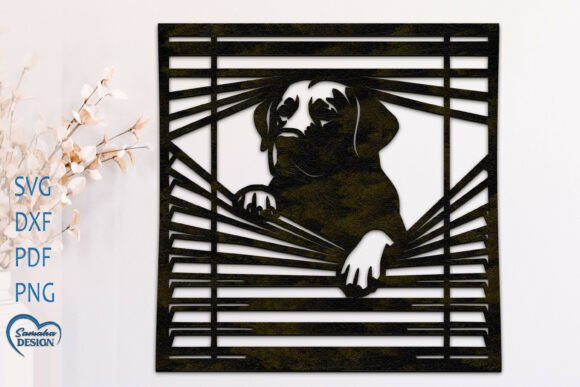
The Dog Laser Cut Wall Decor represents a versatile intersection of digital design and physical craftsmanship. At its core, this product is not a finished object but a precise digital template designed to be fabricated using laser cutting technology. It allows hobbyists, professional makers, and interior designers to create customized wall art featuring canine silhouettes or intricate dog-themed patterns. The value of The Dog Laser Cut Wall Decor lies in its adaptability; the same file can yield a rustic wooden sign, a modern acrylic centerpiece, or a delicate paper craft, depending entirely on the material selected and the execution of the cut.
Understanding the Design and File Versatility
When evaluating this design for a project, the first consideration is the file format compatibility. The provided archive typically includes files in SVG, PNG, DXF, PDF, and EPS formats. This breadth of options ensures compatibility with a wide range of software and hardware. For instance, vector formats like SVG, DXF, and EPS are essential for laser cutting machines as they define precise paths for the laser to follow. In contrast, the PNG file serves well for previewing the design or using it in raster-based graphic design projects where cutting is not required.
The design itself is engineered with scalability in mind. Users can increase the size of the design significantly to create large-scale statement pieces for living rooms or commercial spaces without losing definition. However, a critical evaluation point arises when considering reduction. While enlarging is generally safe, reducing the design requires careful attention to thin elements. If the design is scaled down too aggressively, fine lines may become too fragile to survive the cutting process or may break during handling. Therefore, the intended final dimensions should dictate whether the original scale is appropriate or if a simplified version is needed for smaller applications.
Material Selection and Structural Considerations
The aesthetic and functional outcome of The Dog Laser Cut Wall Decor is heavily dependent on material choice. The recommended materials include plywood, MDF, acrylic, plexiglass, metal, cardboard, and paper. Each offers distinct tradeoffs regarding durability, cost, and visual appeal.
- Wood (Plywood and MDF): These are popular choices for a warm, natural look. The recommended material thickness for wood is 3 mm. At this thickness, the material is sturdy enough to hold intricate details while remaining light enough for easy wall mounting. Thicker woods may require more powerful lasers and can obscure fine details if the kerf (the width of the cut) is not accounted for.
- Acrylic and Plexiglas: For a modern, sleek appearance, these plastics offer transparency and color vibrancy. They are excellent for catching light but require specific laser settings to avoid melting edges. Unlike wood, acrylic does not have a grain, allowing for uniform strength in all directions.
- Metal: Cutting metal requires industrial-grade fiber lasers rather than standard CO2 lasers found in home workshops. While durable and weather-resistant for outdoor use, metal introduces higher costs and fabrication complexity.
- Cardboard and Paper: These are ideal for prototyping, temporary decorations, or layered 3D art projects. They are cost-effective and easy to cut but lack the longevity and structural rigidity of wood or plastic.
Selecting the right material involves balancing the desired aesthetic with the capabilities of your available equipment. For example, while metal offers superior durability, it may be an impractical choice for a DIY enthusiast with only a desktop diode laser. In such cases, 3 mm plywood remains the most pragmatic and accessible option.
Ideal Use Cases and Project Fit
This design is a strong fit for several specific scenarios. First, it is ideal for personalized home decor. Pet owners often seek unique ways to commemorate their animals, and a laser-cut silhouette provides a sophisticated alternative to standard photographs. Second, it suits small business inventory. Makers selling at craft fairs or online marketplaces can produce these designs rapidly in batches, varying the material to offer different price points. Third, it serves educational purposes in STEM or maker spaces, where students can learn about vector graphics, material properties, and machine operation by fabricating the design.
The ability to layer materials also expands its utility. A user might cut the primary shape from black acrylic and mount it over a contrasting colored background, creating depth and shadow effects that a single flat piece cannot achieve. This modularity makes The Dog Laser Cut Wall Decor a flexible foundation for creative experimentation.
Limitations and When to Consider Alternatives
Despite its versatility, there are situations where this specific design or approach may not be the optimal solution. If the goal is to create a highly realistic, textured portrait of a specific dog breed with fur detail, a laser-cut silhouette may be too abstract. In such cases, alternatives like CNC routing for 3D relief or high-resolution printing on canvas might better meet the expectation of realism.
Furthermore, if the intended installation environment is outdoors in harsh weather conditions, standard plywood or paper is unsuitable unless treated with heavy sealants. Even then, UV exposure can degrade adhesives and finishes. For permanent outdoor signage, aluminum or UV-stabilized acrylic would be necessary, which might exceed the budget or technical capacity of a casual user.
Another consideration is the complexity of assembly. Some iterations of this design may involve interlocking parts or multi-layer constructions. If the end-user lacks patience or fine motor skills for assembly, a pre-fabricated, single-piece alternative might be preferable. Additionally, users must ensure their laser cutter has a working area large enough for the desired output size; otherwise, the design must be tiled and assembled, which introduces visible seams and structural weaknesses.
Practical Decision-Making Insights
To determine if The Dog Laser Cut Wall Decor aligns with your goals, assess your project constraints against the design's requirements. Begin by defining the final location and lighting conditions of the piece. Will it hang in a sunlit window where transparency matters, or in a dim hallway where contrast is key? This decision drives the material choice between opaque wood and transparent acrylic.
Next, evaluate your technical resources. Do you have access to a laser cutter capable of handling the recommended 3 mm thickness efficiently? If you are outsourcing the cutting, verify that the service provider accepts the specific file formats (DXF or SVG) included in the archive. Always request a test cut on scrap material of the same thickness before committing to the final piece. This step is crucial for verifying that thin elements do not burn through or break apart.
Finally, consider the finishing process. Raw laser cuts often leave burn marks on wood or slight residue on acrylic. Factor in the time and materials needed for sanding, painting, or polishing. If a "ready-to-hang" finish is required immediately without post-processing, this DIY approach may involve more labor than anticipated compared to purchasing a mass-produced item.
In conclusion, The Dog Laser Cut Wall Decor offers a robust platform for creative expression when matched with the right materials and expectations. By carefully weighing the tradeoffs between material durability, design scalability, and fabrication complexity, users can effectively decide whether this template serves their specific decorative or commercial needs. For those equipped with the proper tools and a clear vision, it provides a reliable path to creating distinctive, personalized wall art.
If you encounter specific technical challenges regarding file scaling or material settings during your project, reaching out to the designer or community forums can provide targeted solutions to ensure a successful outcome.