Integrating Religious Wall Clock Laser Cut CNC Designs into Your Fabrication Workflow
In the evolving landscape of digital fabrication, the intersection of faith-based aesthetics and precision engineering offers a unique opportunity for creators and small business owners. The Religious Wall Clock Laser Cut CNC represents more than just a decorative item; it is a tangible asset within a broader production workflow. For professionals ranging from hobbyists to entrepreneurs, understanding how to effectively integrate these designs into existing processes is crucial for maximizing efficiency, ensuring quality, and delivering meaningful products to the market.
This article explores the practical implementation of religious wall clock designs, focusing on file compatibility, machine preparation, and the strategic placement of this product within your creative or commercial pipeline. Whether you are producing custom home décor for clients or creating inventory for an online shop, the approach remains rooted in careful planning and technical execution.
Understanding the Asset in Your Production Pipeline
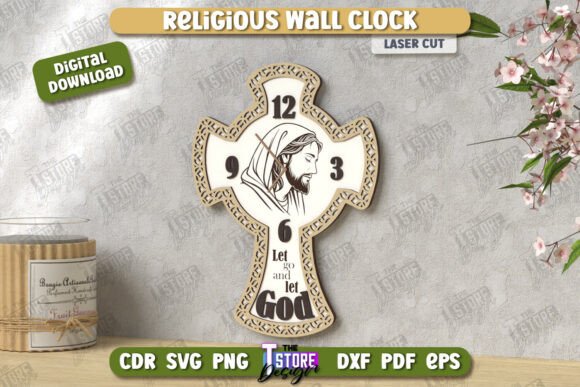
A Religious Wall Clock Laser Cut Decorative Clock Christian Symbol Home Décor CNC File serves as the foundational blueprint for a physical product. Unlike generic templates, these files are specifically engineered to convey spiritual symbolism through precise geometric cuts and engravings. In a professional workflow, this digital asset acts as the bridge between conceptual design and physical manufacturing.
Before initiating any cutting process, it is essential to recognize where this file fits into your project timeline. Typically, the acquisition of the design occurs during the planning phase, prior to material procurement. By securing the correct file format early, you avoid bottlenecks later in the production cycle. The versatility of these designs allows them to be adapted for various contexts, from personal gifts to large-scale retail collections, making them a flexible component of a diversified product line.
Evaluating File Formats and Software Compatibility
One of the most critical aspects of working with laser cutting technology is file compatibility. The digital product in question includes a comprehensive zip archive containing multiple formats: SVG, EPS, PNG, PDF, and DXF. Each format serves a specific purpose depending on the software ecosystem you utilize.
For users operating within vector-based design environments like Adobe Illustrator or CorelDRAW, the EPS or SVG files offer excellent scalability and editability. However, a common pitfall arises when using specific laser control software such as LightBurn. As noted in technical documentation, LightBurn can sometimes distort the dimensions of SVG files, leading to inaccuracies in the final cut. This distortion can compromise the fit of clock mechanisms or the alignment of layered components.
To mitigate this risk, the recommended workflow for LightBurn users is to prioritize the DXF file format. DXF (Drawing Exchange Format) is renowned for its stability across CAD and CAM platforms, preserving exact dimensions and layer integrity. By selecting the appropriate file type at the import stage, you ensure that the Religious Wall Clock Laser Cut CNC design translates faithfully from screen to material, maintaining the intended proportions of the Christian symbols and structural elements.
Preparation and Machine Configuration
Once the correct file is imported, the next phase involves preparing the laser cutter for execution. This stage requires a clear understanding of the design's layering logic. The provided files typically utilize a color-coded system to distinguish between different operations: RED lines indicate CUT paths, while BLACK lines indicate ENGRAVE areas.
Effective workflow management dictates that you verify these settings before sending the job to the machine. Most laser software allows you to assign specific power and speed parameters to each color layer. For the red cut lines, you will need to configure higher power and slower speeds to penetrate the material completely. Conversely, the black engrave lines require lower power and faster speeds to mark the surface without cutting through. Failing to differentiate these settings can result in incomplete cuts or burnt surfaces, ruining both the material and the aesthetic appeal of the religious symbol.
Material selection also plays a pivotal role in the outcome. Wood, acrylic, and MDF are common choices for wall clocks, each reacting differently to laser exposure. Conducting a test run on a scrap piece of the same material is a best practice that saves time and resources. This step allows you to fine-tune the focus height and calibrate the power settings, ensuring that the intricate details of the Christian symbol are rendered sharply.
Streamlining the Assembly Process
The utility of a Religious Wall Clock Laser Cut CNC design extends beyond the cutting phase into assembly. A well-optimized file minimizes post-processing work. Since the vectors are pre-defined, the resulting pieces should fit together seamlessly if the machine calibration is accurate. This precision reduces the need for sanding or manual adjustments, which is particularly important when dealing with delicate religious iconography where detail is paramount.
For businesses scaling their operations, standardizing the assembly workflow is key. This might involve creating jigs to hold the clock face steady while installing the movement mechanism or developing a checklist for quality control. Ensuring that every unit meets a consistent standard reinforces brand reliability. Furthermore, the inclusion of a PNG file in the archive provides a visual reference for marketing materials or assembly guides, facilitating clearer communication with team members or customers.
Strategic Integration for Business and Creative Goals
Integrating these designs into a business model requires a strategic approach to inventory and customization. The flexibility of the file formats allows for easy modification of sizes or colors before cutting. If a client requests a specific dimension or a variation in the PNG preview color, the ability to adapt the design quickly adds significant value to your service offering.
Moreover, the Religious Wall Clock Laser Cut Decorative Clock can serve as a cornerstone for seasonal collections or targeted marketing campaigns. By aligning production schedules with religious holidays or community events, creators can maximize relevance and sales potential. The digital nature of the product means that storage costs are negligible, and reordering "inventory" is as simple as accessing the zip archive again.
Collaboration is another area where these assets shine. Educators teaching digital fabrication can use these files to demonstrate the relationship between vector art and physical output. Freelancers can partner with local churches or community centers to create bespoke décor, leveraging the symbolic weight of the design to foster deeper connections with their audience.
Long-Term Usability and Support
Sustainable workflows rely on reliable resources and support channels. When utilizing third-party digital assets, having access to the creator for troubleshooting or custom requests is invaluable. Whether you need a different file type not included in the standard package or a specific color variation of the PNG for branding purposes, maintaining open lines of communication ensures that your projects remain on track.
Additionally, staying updated with future releases from the designer can keep your product lineup fresh. Following the shop or creator allows you to anticipate new trends in religious décor and integrate them into your planning cycle proactively. This forward-looking approach prevents stagnation and encourages continuous improvement in your craft.
Conclusion: Executing with Precision and Purpose
The successful deployment of a Religious Wall Clock Laser Cut CNC design hinges on meticulous preparation, technical knowledge, and strategic planning. By respecting the nuances of file formats—particularly the preference for DXF in LightBurn—and adhering to the designated cut and engrave protocols, creators can produce high-quality, meaningful artifacts.
Whether you are a seasoned manufacturer or a newcomer to the world of laser cutting, treating these digital files as integral components of a larger workflow empowers you to deliver exceptional results. The combination of spiritual significance and modern manufacturing technology creates a powerful tool for expression and commerce. With the right approach, these designs become more than just files; they become the foundation for lasting creations that resonate with people in their homes and communities.